

It’s about time we all come clean: sometimes we start peeing in our wetsuits when our feet first touch cold water. And before you deny it, just know that it’s natural. It’s a physiological response called immersion diuresis, first documented by Alex Sutherland in 1764 after he noticed increased urination following cold-water bathing. Your body is responding to being submerged in ways that have nothing to do with how much coffee you had.
On land, gravity pulls blood toward your legs. Roughly 500 milliliters, about a Coke bottle’s worth, pool in your lower extremities just from standing upright. Submerge yourself in water and hydrostatic pressure eliminates this effect. The external pressure from the water equalizes blood distribution, pushing that pooled blood back toward your heart and central vessels. Your cardiovascular system registers what it interprets as excess fluid volume, even though total blood volume hasn’t changed at all.
When your skin cools, blood vessels in your arms and legs clamp down to keep heat from escaping. This vasoconstriction shunts even more blood toward your core. Research from the U.S. Army Research Institute of Environmental Medicine found that cold and pressure effects stack: cold water immersion produces significantly more pee than sitting in a warm bath. The threshold isn’t extreme either, with anything below about 35°C (95°F) triggering vasoconstriction.
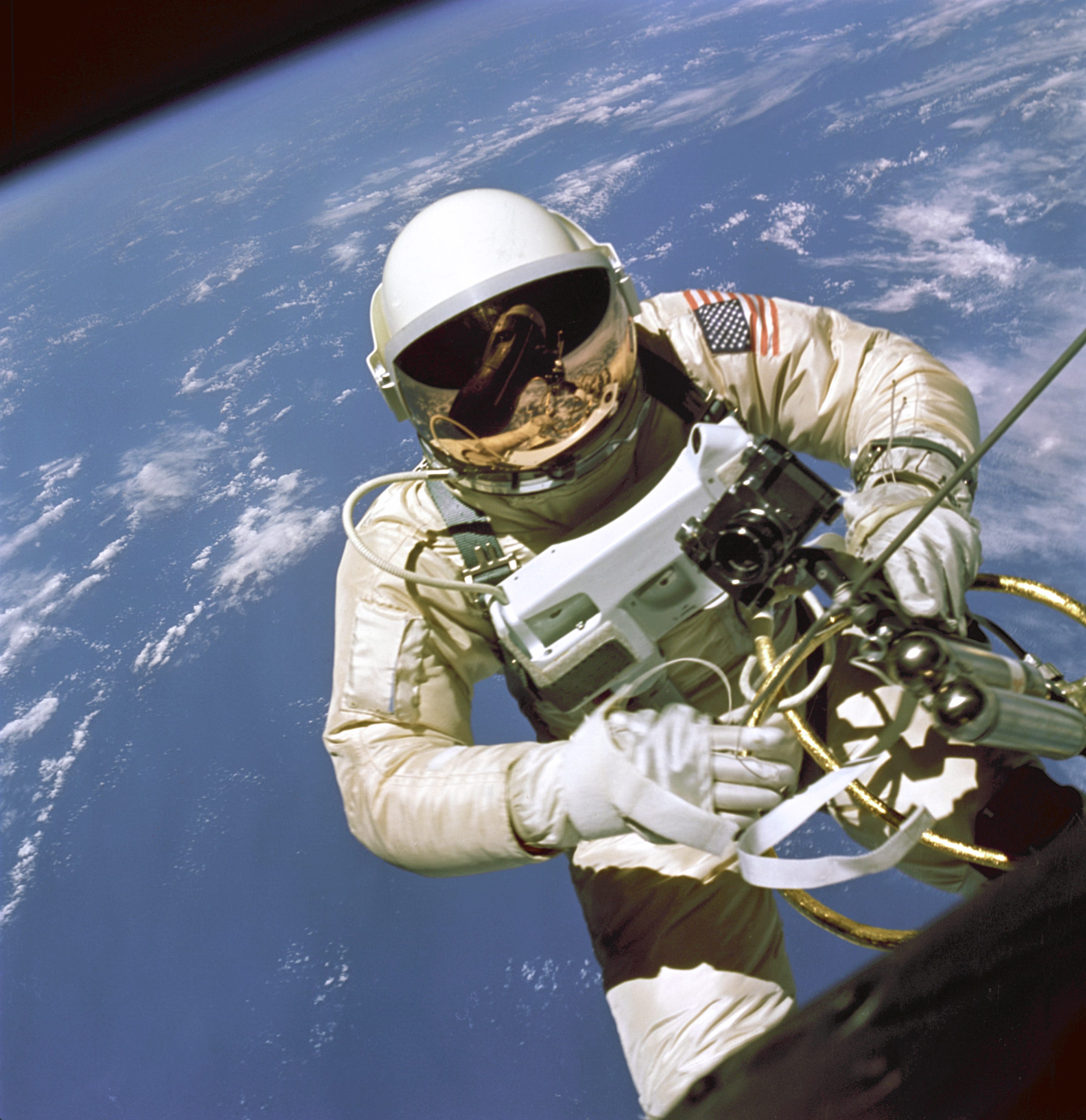
Tricked by a refreshing duck dive, your body now thinks it’s overloaded with fluid. Pressure sensors in the heart and major blood vessels measure how much blood is passing through. They can’t tell the difference between “you gained extra fluid” and “your existing fluid moved from your legs to your chest.” All they register is more volume than usual, so they send a signal: dump it.
That signal tells the brain to stop releasing antidiuretic hormone (ADH). Normally, ADH instructs the kidneys to reabsorb water and return it to the bloodstream. Without ADH, the kidneys let water pass straight through to your bladder instead. Problem solved, from your body’s perspective.
Except you never had excess fluid to begin with. The water leaving your body as urine is water you actually needed. Studies on prolonged cold water immersion show urine output jumping 200-300% above normal, with blood plasma volume dropping around 17%. That post-session thirst isn’t just from swallowing seawater.
So let it rip knowing everyone’s kidneys are running the same confused program. Also, drink some extra fluids.
Further Reading: