

Mal de mer, kinetosis, seasickness. Some of us are more susceptible than others and a friend of mine even feels it on a surfboard. What causes this gut-wrenching condition?
Three systems usually tell your brain where you are in space. Your inner ear tracks rotation and acceleration using fluid-filled canals and tiny calcium crystals called otoliths. Your eyes relay what’s moving and what isn’t. And receptors in your muscles and joints register pressure and body position. When all three agree, you feel fine. Sitting on a boat (or board in the case of the wretched few) in a rolling swell, your inner ear says movement while your eyes on the horizon say everything’s still.

Of all the possible responses to confused spatial information, throwing up seems unnecessary. The going theory is that when sensory inputs stop making sense, the most likely explanation in the wild isn’t a boat: it’s a neurotoxin. Having eaten bad food, poisonous plants, or anything else that messes with motor control and perception, the body’s move is to purge whatever you ate. The response is so deeply ingrained that even fish can get seasick during aquarium transport.
People who spend time on boats like to say everyone has their frequency. Some particular combination of swell period, wave direction, boat size, and boat speed that’ll eventually get you. And that’s mostly right. Susceptibility varies by a factor of about 10,000 across the population, and roughly a third of people are highly prone under normal conditions. Women get it more than men, about 5:3. Kids peak around age 9 or 10 and gradually adapt. The only people who seem truly immune are those who’ve lost their vestibular system. In the late 1950s, NASA recruited eleven deaf men whose childhood meningitis had wiped out their inner ear function. They sat in rotating rooms for days without a hint of nausea while their hearing colleagues were gripping their chairs for hours.
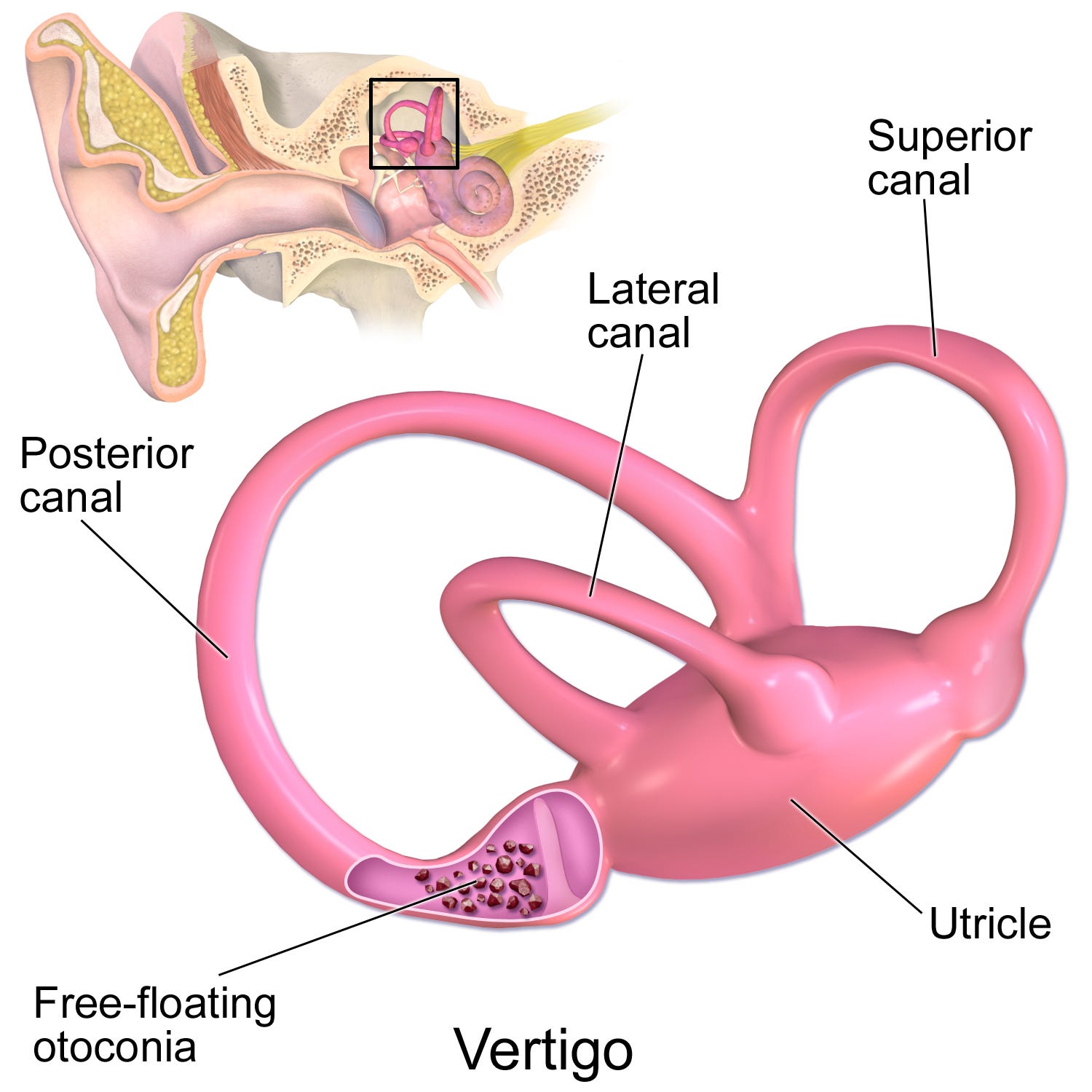
Ever notice how the driver of the car almost never gets carsick? When you’re controlling the motion, your brain can predict what’s coming and the three signals line up. Passengers reading in the back seat don’t get the visual cue and tend to roll down the window. The same thing applies in surfing. Paddling, popping up, and riding are all activities where your brain is generating those movements and anticipating the feedback. But sitting still in a rolling lineup waiting for a set…
If you are one of the “unlucky” group with strong hearing and sensitive stomach, drugs like Dramamine can make a world of difference. Diphenhydramine, an antihistamine, blocks receptors in the vestibular system, turning the system down enough to not get sick. Unfortunately for the booze-cruisers among us, Dramamine and alcohol interact fiercely.
Both diphenhydramine and alcohol are central nervous system depressants, but they work through different pathways. Together, the sedation multiplies. Two ocean beers tend to hit like six. When taking it, it may actually be better to stay thirsty instead, my friends.
Further Reading: