

After a recent shore break-y day at Blacks, water up the nose has been in my mind. You know the deal: a few hours after a session, you’re at work or leaning over to grab your keys, and suddenly a small ocean drains out of your face, to the shock and horror of non-surfers. The volume is honestly too much to explain sometimes.
Behind your face are four pairs of air-filled cavities called the paranasal sinuses: maxillary under each cheekbone, frontal above the eyebrows, ethmoid between the eyes, and sphenoid tucked deep behind the nose. Each is lined with mucus and tiny hairs called cilia that constantly sweep debris toward the throat. They connect to the nasal cavity through small openings called ostia, typically 1 to 4 mm wide, about the width of a wooden pencil tip.
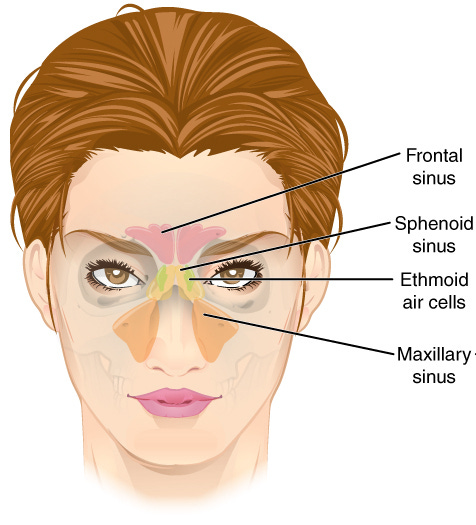
The maxillary sinus is the biggest of the four, roughly walnut-sized, and its drainage ostium sits not at the bottom of the cavity but near the top of the medial wall. The official medical phrasing is “poorly positioned for free drainage.” The frontal sinus is the other troublemaker, with what the literature calls the most complex and variable drainage of any paranasal sinus, routing everything through a twisting frontonasal duct before it can reach the nose. Basically, the drains are on the ceiling for both of these.
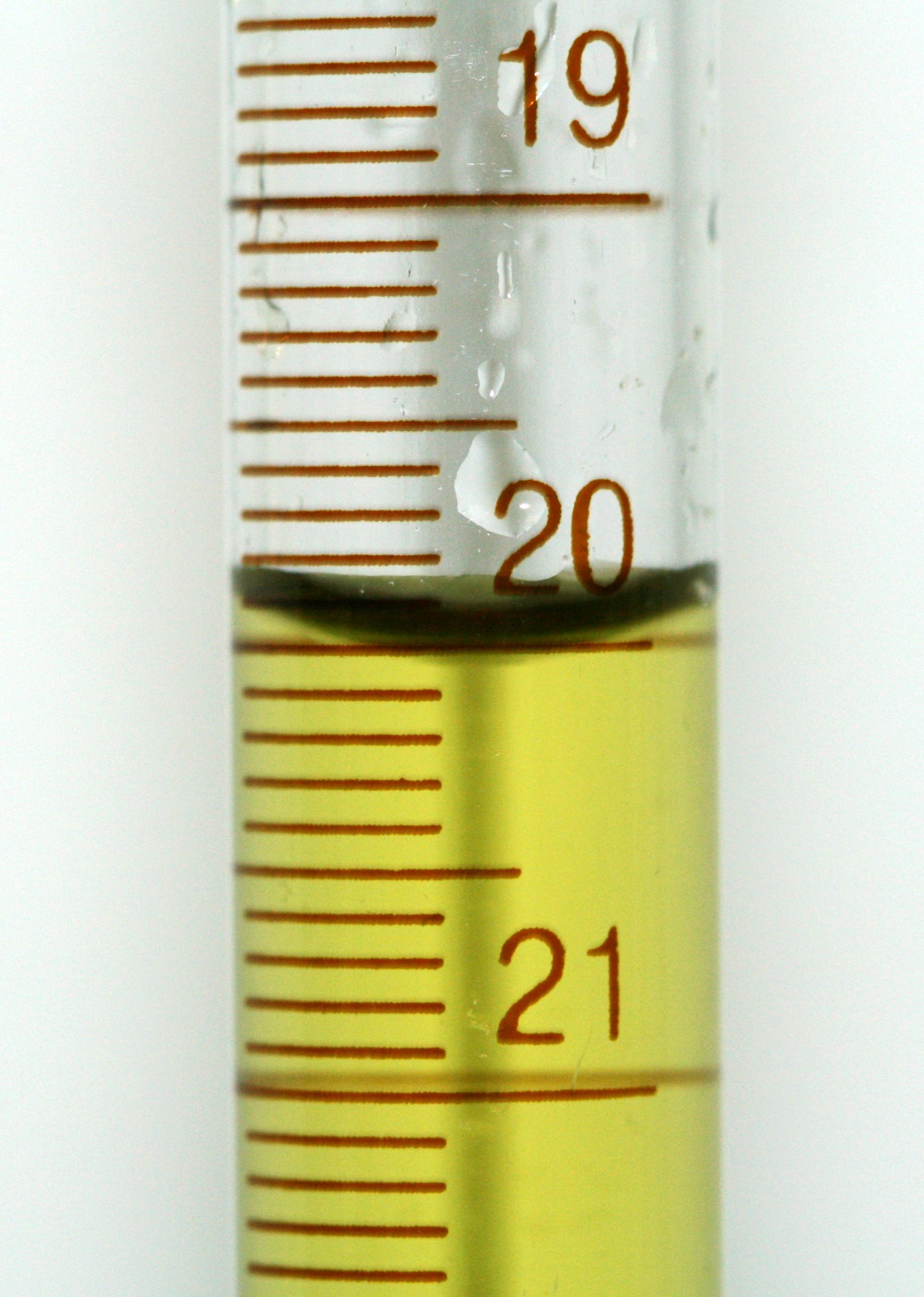
Physics is a pesky part of this problem as well. Water in a tube only a few millimeters across forms a concave meniscus, the molecules at the surface clinging to the walls and to each other strongly enough to support the column’s weight. The effect is called capillary action, and it’s the same mechanism that lets paper towels wick up spilled coffee against gravity. In your sinus ostia, it creates an air lock, preventing gravity from clearing the last close out.
At roughly 3.5% salinity, seawater is nearly four times saltier than the fluid in your tissues, hypertonic enough to pull water out of mucosal cells and stress the lining on contact. Cold makes this even worse, triggering vasodilation and a rush of mucus in the sinuses. The lining swells, narrowing the ostia further, sometimes closing them completely. The already small exit gets clamped down, and the water sits awaiting an awkward moment to emerge.
Eventually something tips the balance, often the first or second inversion of the day. Maybe you bend over to towel off your feet and the head angle finally beats the meniscus. Maybe the swelling subsides after an hour or two. Or maybe a sneeze creates enough pressure to break the seal on an unsuspecting guest. Around 35% of swimmers report nasal congestion after a session, and the timing of release is mostly unpredictable. The phenomenon is recognized enough that ENTs have a name for the chronic version, “swimmer’s sinusitis.”
Our sinuses evolved for breathing air, warming and humidifying it on the way to the lungs, with the mucus-and-cilia system handling the occasional bit of dust. Repeated head-first dunks in cold salt water came along later, and the design hasn’t caught up.
Further Reading: